App-Driven Loyalty Systems Uniting Britain's Live Gaming, Slot Features, and Accumulator Payouts
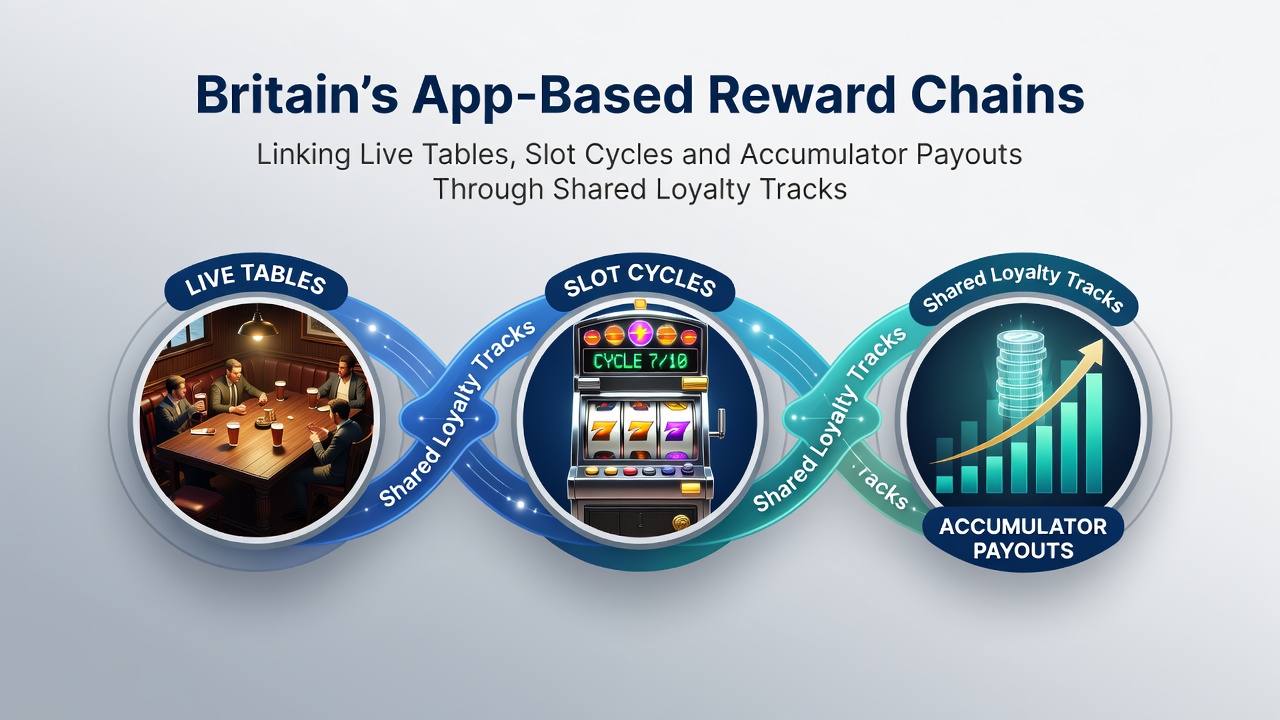
British mobile platforms have developed interconnected loyalty frameworks that tie rewards from live dealer tables directly to slot rotation mechanics and accumulator bet structures, creating single-track systems where player activity across categories feeds into unified point pools and payout tiers. These networks operate through centralized apps that track every wager type, from roulette spins at virtual tables to reel cycles on slots and multi-leg accumulator selections, converting them into shared loyalty credits that unlock tiered benefits.
Mechanics of Shared Tracking Across Game Types
Operators integrate application programming interfaces that log real-time data from live table sessions, where bets on card draws or wheel outcomes generate base points, while slot cycles contribute through spin volume and feature triggers that accelerate point accumulation rates. Accumulator payouts factor into the same ledger because multi-leg bets on sports events add bonus multipliers when combined with casino play, and the entire process funnels through one dashboard visible on both iOS and Android devices. Research from the University of Nevada, Reno shows how such unified ledgers reduce fragmentation, allowing users to monitor progress toward cashback thresholds or exclusive event access without switching between separate programs.
Live Table Integration Patterns
Live dealer environments feed data into loyalty engines via continuous session monitoring, where time spent at blackjack or baccarat tables converts into streak bonuses that carry over to other sections of the app. Points earned here often receive premium weighting during peak hours, and operators adjust these values seasonally to align with event calendars, such as major racing meets or international tournaments that draw higher table traffic. This linkage means a strong run at the tables can directly influence slot cycle rewards, unlocking higher volatility options or extended free spin allocations that would otherwise require separate deposits.
Slot Cycle Contributions to Accumulator Tracks
Slot mechanics contribute through cycle-based metrics, including consecutive spins without major wins that trigger compensatory loyalty boosts, and these increments merge seamlessly with accumulator progress. When users place accumulator bets that span multiple outcomes, the loyalty system registers partial completions as incremental advances toward the same reward ceiling, creating a feedback loop where slot play sustains momentum during quieter betting periods. Data from European gaming association reports indicate that platforms employing this model see steadier engagement curves, with users returning to complete unfinished cycles rather than abandoning one category for another.
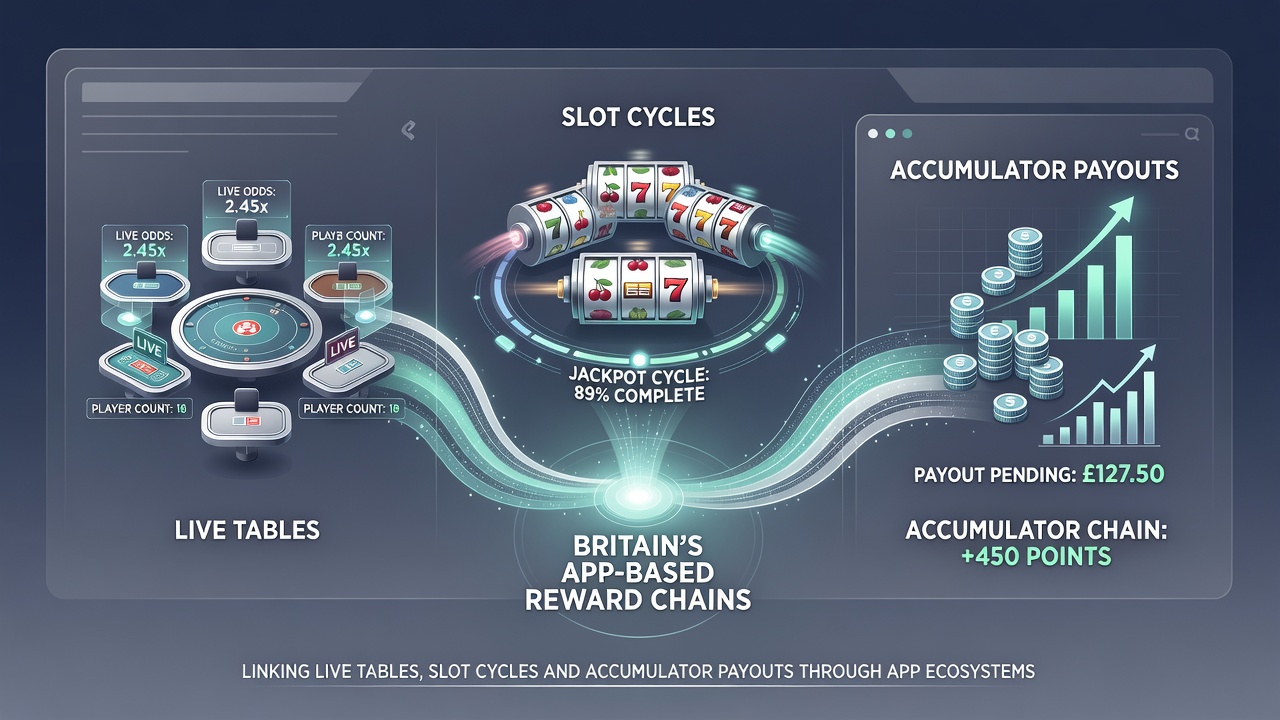
August 2026 updates introduced refined algorithms that recalibrate point values based on aggregate user behavior across the three categories, ensuring slot-heavy users receive balanced incentives when they venture into live tables or accumulator construction. These adjustments prevent dominance by any single activity type and maintain equilibrium in the shared ecosystem.
Accumulator Payout Linkages and Tier Benefits
Accumulator structures benefit from the shared tracks because successful multi-leg outcomes trigger loyalty surges that retroactively enhance table and slot privileges, such as reduced house edges on select live games or access to premium reel configurations. The system logs each leg completion as a milestone, and when full accumulators settle, the resulting credits distribute proportionally across all linked activities. Observers note that this approach encourages diversified play patterns, where bettors who focus solely on accumulators gain indirect advantages in casino sections through the common loyalty currency.
Regional Regulatory Context and Industry Standards
Frameworks in Britain align with broader European standards for transparent reward disclosure, requiring apps to display how points convert across game types without hidden restrictions. Similar models appear in Canadian provincial systems, where regulators emphasize clear tracking of cross-category loyalty to maintain player trust. Industry reports from the Canadian Gaming Association highlight parallel developments, though British implementations emphasize mobile-first architecture that prioritizes seamless transitions between live streams, slot interfaces, and betting slips within a single session.
Technical Infrastructure Supporting the Chains
Backend databases synchronize activity logs in real time, using encrypted channels to protect transaction histories while allowing instant point updates visible to users. Developers incorporate machine learning elements that predict optimal reward timing, such as suggesting a live table session after a series of slot cycles to balance the loyalty track. This infrastructure supports scalability during high-traffic periods, including summer festivals and international sporting calendars, without lag in point crediting or tier progression displays.
Users navigate these systems through intuitive menus that group progress bars for each category under one overarching loyalty meter, and notifications alert them when cross-activity thresholds near completion. The design reduces cognitive load, enabling focus on gameplay rather than manual tracking of disparate rewards.
Conclusion
Britain's app-based reward chains demonstrate how loyalty mechanisms can integrate live tables, slot cycles, and accumulator payouts into cohesive tracks that operate on shared data foundations. As platforms refine these connections through ongoing technical updates, the model continues to shape user engagement patterns across mobile gaming environments. External analyses from academic and industry sources confirm the structural efficiencies gained when operators consolidate multiple activity streams under unified systems.