Integrated Reward Structures Connecting Digital Table Games to Sports Outcome Platforms

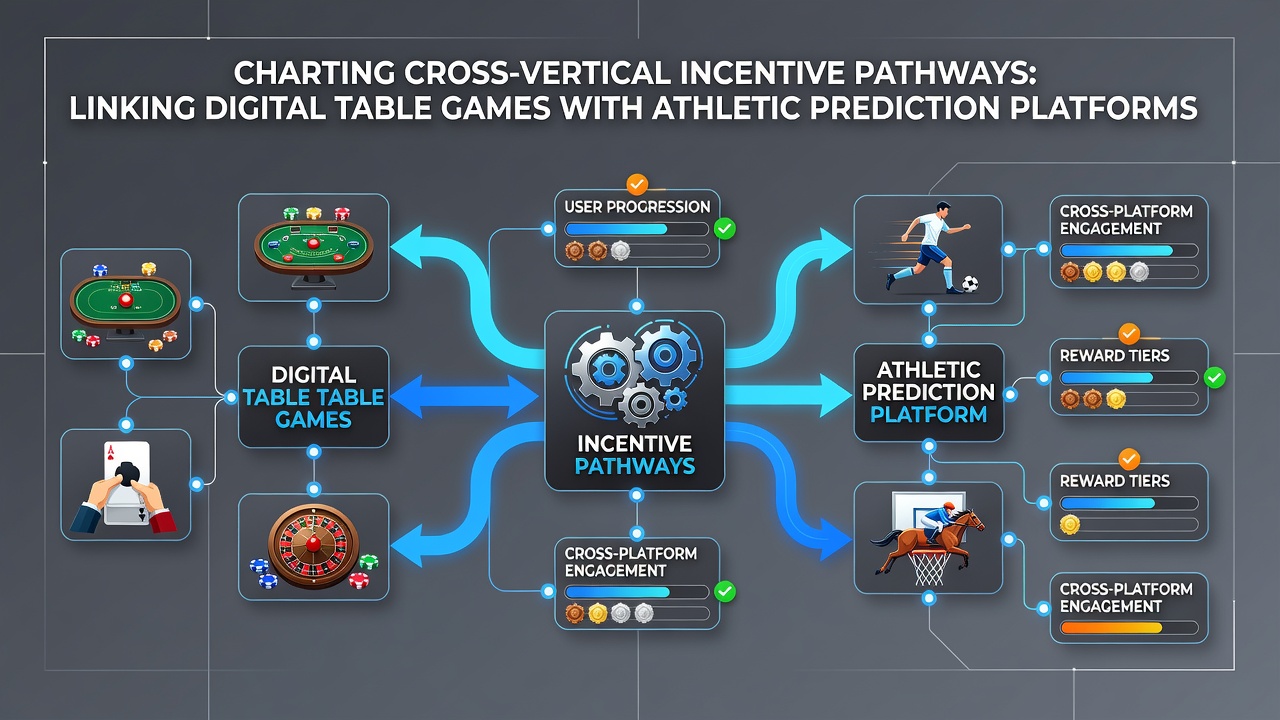
Platform operators have developed systems that allow players to transfer progress and incentives between digital table games such as blackjack and roulette and athletic prediction platforms focused on sports outcomes, creating unified loyalty mechanisms that operate across verticals. These structures rely on centralized player accounts that track activity in both environments and apply consistent reward calculations based on total engagement metrics. Data from the American Gaming Association shows that such integrations have expanded in markets where regulatory frameworks permit shared account systems across game types.
Core Components of Cross-Vertical Pathways
Operators establish these pathways through shared databases that record wagers placed on table game simulations alongside predictions made on athletic events, then convert accumulated activity into redeemable credits or status levels usable in either category. The process typically involves algorithms that assign weighted values to different bet types so that time spent on digital tables contributes proportionally to bonuses available for sports forecasts. Research from the University of Nevada Reno Gaming Innovation Lab indicates that these weighting systems often favor consistent play patterns rather than isolated high-stakes actions to maintain balanced participation across both segments.
Players receive notifications when milestones reached in one area unlock advantages in the other, such as reduced house edges on table games after meeting sports prediction volume targets or enhanced odds multipliers on forecasts following extended table game sessions. This approach encourages sustained activity without requiring separate enrollment processes for each vertical.
Technical Implementation Across Platforms
Backend integrations rely on API connections that synchronize real-time data between table game servers and sports prediction engines while maintaining compliance with jurisdictional rules on account management. In regions where such linkages receive approval, operators deploy unified wallets that handle deposits and withdrawals applicable to both game categories, reducing friction for users moving between experiences. Reports compiled by the Canadian Gaming Association document similar technical setups in licensed markets where operators have consolidated player tracking across casino-style offerings and event-based prediction tools.
Examples from Operational Markets
One platform in a regulated North American jurisdiction introduced a tiered system where points earned through digital blackjack sessions automatically apply toward free prediction credits on major league events, resulting in measurable increases in cross-category logins according to internal metrics shared with industry analysts. Another operator in an Australian-licensed environment linked roulette spin outcomes to accumulator bonuses usable on rugby and cricket predictions, with the conversion rate adjusted quarterly based on aggregate player behavior data.
These implementations typically undergo periodic audits to verify that incentive calculations remain transparent and that no vertical receives disproportionate promotion that could conflict with responsible gaming standards. The rollout of enhanced verification protocols scheduled for June 2026 in select jurisdictions is expected to require additional documentation for cross-vertical transfers exceeding certain thresholds.
Regulatory Considerations and Data Tracking
Authorities in multiple regions require operators to maintain separate ledgers for table game and sports prediction activity even when incentives cross over, ensuring that tax reporting and player protection measures remain distinct where mandated. European regulatory bodies have issued guidance documents emphasizing the need for clear disclosure of how activity in one category influences rewards in another. Industry observers note that platforms must update their terms to reflect these linkages whenever new athletic seasons begin or table game variants receive updates.
Statistical tracking shows that participants who engage with both verticals through connected incentives tend to exhibit longer session durations compared with single-category users, though aggregate figures vary by market and promotional intensity. Academic analyses published in gaming economics journals highlight the importance of monitoring these patterns to identify any unintended concentration of play within specific demographics.
Future Adjustments in Incentive Design
Operators continue to refine conversion rates and milestone structures based on quarterly performance reviews that incorporate player feedback and behavioral analytics. Adjustments often focus on balancing the appeal of table game features with the volatility of sports prediction outcomes to sustain engagement across both areas. As new prediction formats emerge and table game interfaces incorporate additional interactive elements, the underlying pathways require corresponding updates to maintain functional parity.
Conclusion
Cross-vertical incentive pathways represent a consolidation of reward mechanisms that link digital table games with athletic prediction platforms through shared tracking systems and proportional credit conversions. Implementation details vary by jurisdiction yet consistently emphasize centralized accounts, weighted activity metrics, and compliance with distinct reporting requirements for each category. Continued evolution of these structures will depend on regulatory developments including those planned for June 2026 alongside ongoing technical refinements by platform operators.