Interconnected Loyalty Frameworks in UK Virtual Gaming Networks
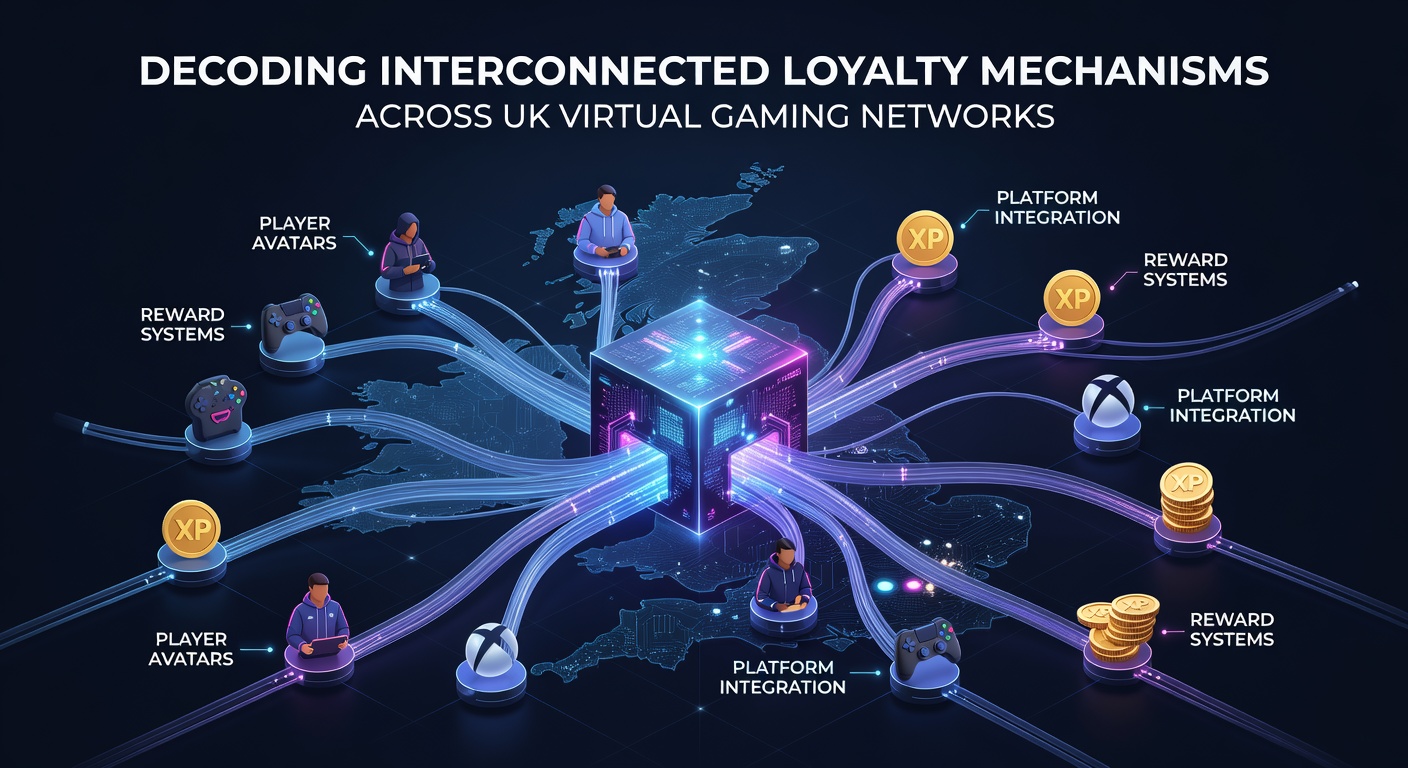
UK virtual gaming networks have developed loyalty mechanisms that connect across multiple platforms and operators, allowing players to accumulate and redeem rewards through shared systems rather than isolated programs. These frameworks rely on integrated databases and partnership agreements that track activity from slots sessions to live dealer tables and sports wagers, creating unified player profiles that operate across different sites.
Core Components of Networked Reward Systems
Operators build these structures around points-based accumulation models where every wager contributes to a central balance that players access regardless of which partner platform they use at any given moment. Tier progression works similarly, with status levels calculated from combined activity across linked networks instead of single-site play alone. Redemption options span free spins, cashback percentages, and exclusive tournament entries that transfer seamlessly between affiliated virtual environments.
Research from the University of Nevada's International Gaming Institute shows that such cross-platform tracking increases average session durations by connecting rewards to broader participation patterns. Data indicates players engage more frequently when points earned on one site unlock benefits elsewhere, a pattern observed consistently in operator reports covering 2025 activity.
Technical Infrastructure Supporting Integration
Backend systems employ API connections and secure data-sharing protocols that update loyalty balances in real time across participating networks. These connections handle everything from basic point transfers to complex tier adjustments based on overall spending habits rather than isolated metrics. Security measures include encrypted player identifiers and compliance checks that prevent unauthorized access while maintaining seamless functionality for legitimate users.
What's interesting here is how these technical links have evolved since earlier isolated programs, now incorporating machine learning elements that predict optimal reward timing based on cross-site behavior data. As of May 2026 several major UK networks reported expanded API partnerships that further reduced redemption delays to under five seconds on average.
Player Journey Through Linked Platforms
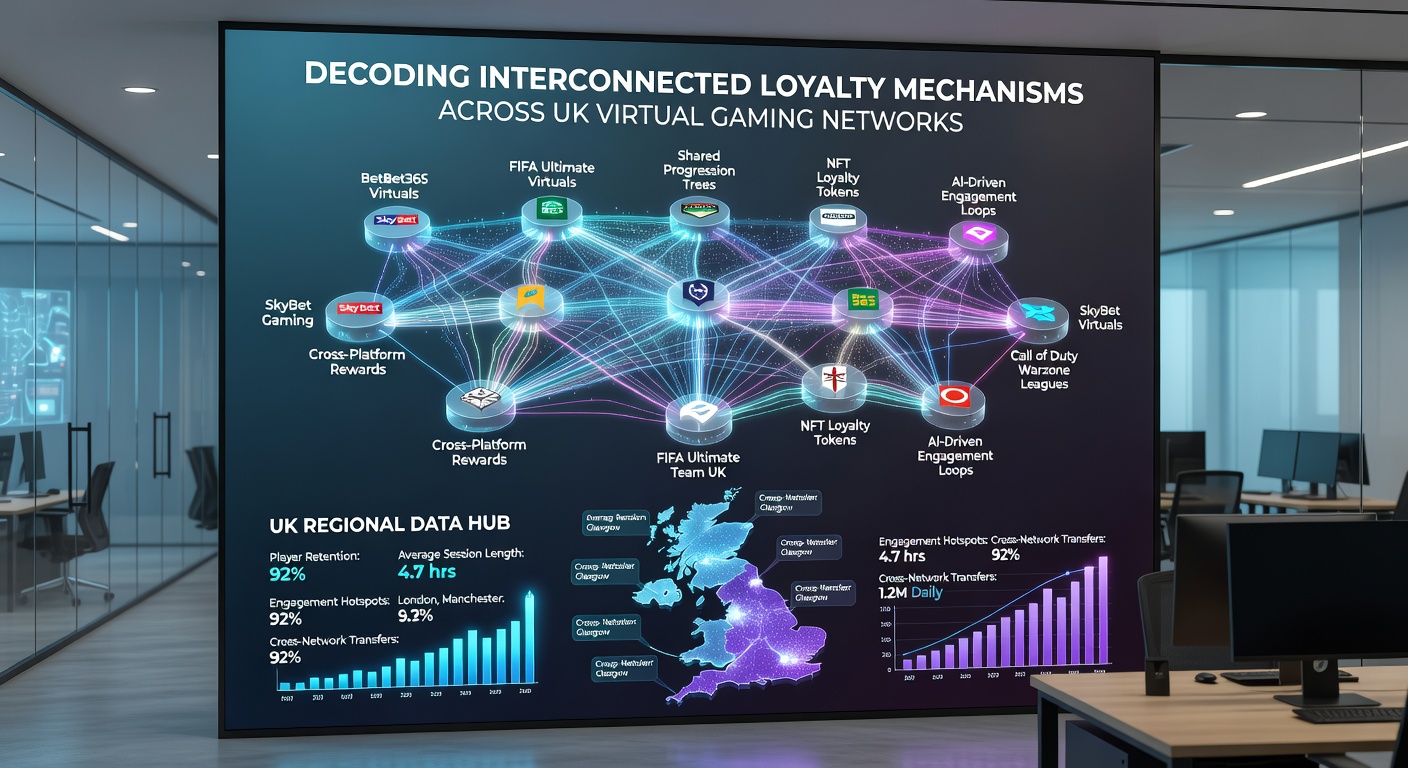
Take one typical case where a player begins with mobile slots on a primary site and later moves to in-play betting through a partner network. Points accumulate continuously, and tier status reflects total activity rather than separate calculations. Observers note that this continuity reduces friction that once caused players to abandon programs midway through complex redemption processes.
Figures reveal increased retention rates when rewards carry over automatically, according to findings shared by the Canadian Centre for Gaming Research. Players often discover they reach higher tiers faster under interconnected models because activity across all linked sites counts toward unified milestones.
Partnership Models and Data Sharing Practices
Operators form alliances through revenue-sharing agreements that compensate each participant based on referred activity and loyalty redemptions. These arrangements allow smaller platforms to access larger user bases while bigger networks expand their reach without building every feature internally. Data sharing remains limited to necessary transaction details, with strict protocols governing how player information moves between entities.
But here's the thing: not all partnerships operate at equal depth. Some networks share only basic point ledgers, whereas others exchange detailed behavioral insights that refine personalized offers across the entire group. Those who've studied these variations know the difference often determines how quickly new rewards appear in player accounts.
Regulatory Context Around Cross-Platform Rewards
Australian government gaming oversight reports have examined similar loyalty integrations in comparable markets, highlighting requirements for transparent terms and clear player communication. UK networks apply parallel standards that mandate visible explanations of how points transfer and what restrictions apply during redemption. Compliance teams regularly audit these flows to confirm adherence to established data protection rules.
Yet integration continues to expand because operators recognize the operational efficiencies gained when multiple sites share infrastructure costs. Evidence suggests these shared systems lower overall expenses while delivering consistent experiences that meet regulatory expectations for fairness and clarity.
Conclusion
Interconnected loyalty mechanisms across UK virtual gaming networks represent a shift toward unified reward tracking that connects activity across platforms through shared technical and partnership structures. These systems deliver measurable benefits in retention and engagement according to multiple research sources, while maintaining compliance with data and transparency standards observed in international comparisons. Continued development through 2026 points toward even tighter integration as operators refine API connections and expand alliance models.