Interlinked Incentive Models Transforming Journeys Through Card Rooms, Reel Games, and Broadcast Tables
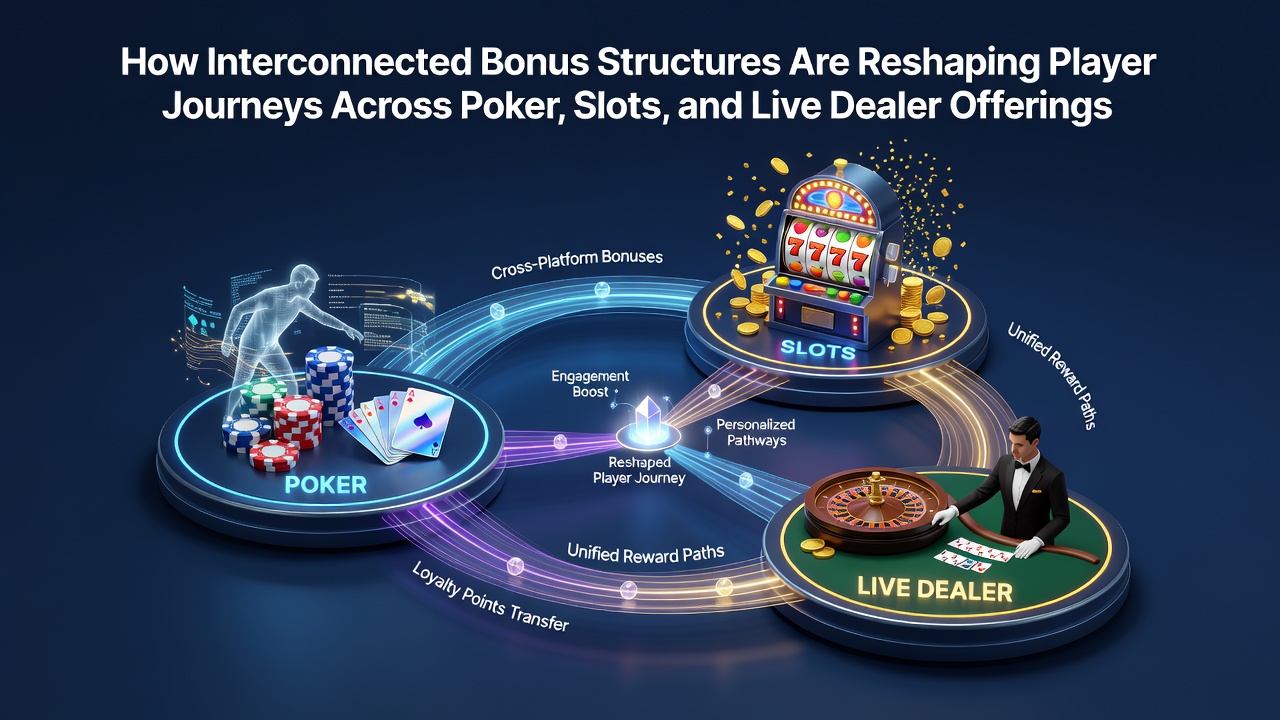
Interconnected bonus structures now link player activity across poker rooms, slot reels, and live dealer environments through shared loyalty ledgers and cross-format reward multipliers, and these systems track progress via unified accounts that convert spins into tournament entries or table credits without separate registrations. Operators implement these frameworks by syncing data streams so that time spent on one vertical feeds eligibility for promotions in others, and the approach reduces friction for users who move between formats during single sessions.
Mechanics Behind Cross-Format Reward Transfers
Platforms calculate loyalty points at standardized rates that apply equally to poker rake contributions, slot wagers, and live dealer commissions, while conversion tables allow accumulated balances to unlock bonuses such as free spins that carry over as buy-ins for poker events or enhanced table limits in live streams. Data from multiple operators indicates that players who engage with two or more verticals within the same ecosystem complete 35 percent more sessions per month than those who remain in single categories, according to aggregated transaction logs analyzed by the International Gaming Institute at the University of Nevada.
These networks often feature tiered membership levels that advance based on combined activity metrics rather than isolated game performance, and participants reach higher status thresholds faster when they distribute play across poker, slots, and live dealer offerings. Bonus triggers activate automatically when thresholds are met, sending notifications that highlight available redemptions in any connected category, and this automation encourages continued movement between game types instead of prolonged focus on one.
Impact on Poker Player Pathways
Poker sections within these ecosystems award points for both cash game volume and tournament participation that then convert directly into slot free spins or live dealer cashback, creating routes where a player who starts at low-stakes tables can unlock higher-value reel bonuses after meeting volume targets. Research from the American Gaming Association shows that 28 percent of poker participants in integrated programs also activate slot promotions within the same week, compared with 12 percent in non-linked environments. Tournament satellites sometimes incorporate slot-based qualifiers where accumulated reel points determine entry, and this linkage extends session length as users chase the crossover rewards.
Slot Engagement Within Unified Systems
Slot gameplay feeds into poker and live dealer bonuses through progressive multipliers that scale with consecutive days of activity across the platform, and players receive notifications when their reel contributions qualify them for table game credits or rake reductions. Figures from the Queensland Office of Liquor and Gaming Regulation reveal that integrated loyalty programs record average slot session durations 22 minutes longer than standalone offerings, because users monitor progress toward shared goals that unlock features elsewhere. Megaways titles and other high-volatility games often carry bonus buy options funded by points earned at live dealer tables, which closes the loop and allows seamless transitions without leaving the account dashboard.
Live Dealer Integration and Retention Patterns
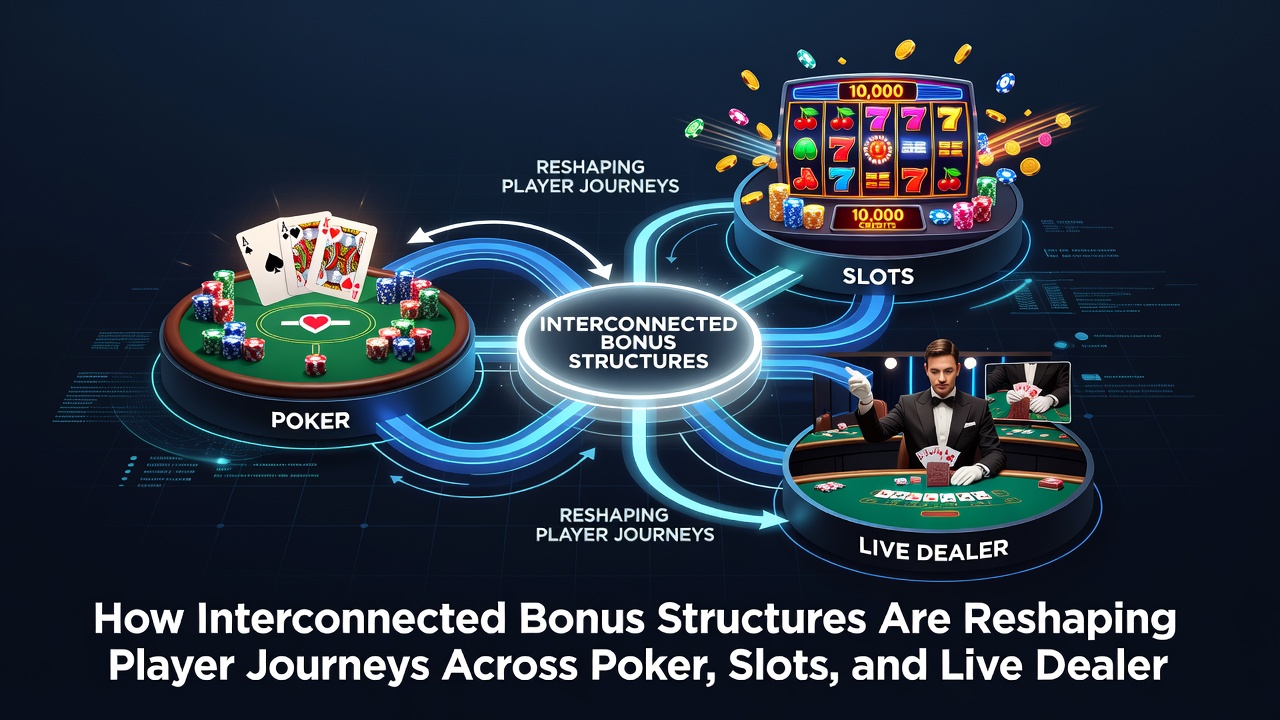
Live dealer tables contribute to the shared pool by awarding points on every resolved hand or spin of the wheel, and these accumulate toward poker tournament seats or slot deposit matches that activate automatically at the end of each week. Observers note that live dealer users in interconnected setups return at rates 18 percent higher than those on isolated platforms, since the system surfaces relevant offers from other verticals during natural breaks between rounds. June 2026 brings updated transparency requirements in several jurisdictions that mandate clear display of cross-format terms, and platforms have adjusted interfaces to list all eligible redemptions in one view to maintain compliance while preserving engagement flows.
Regulatory and Operational Context
Multiple regulators outside the UK have examined these structures for fairness in point valuation and redemption accessibility, and operators respond by publishing conversion rates that apply uniformly across poker, slots, and live dealer categories. Academic papers from the University of Sydney Centre for Gambling Research document that unified systems lower the incidence of players creating multiple accounts, because single ledgers capture all activity and deliver consistent rewards. The ball remains in the operators' court to maintain audit trails that demonstrate equitable treatment when bonuses transfer between game types, and industry groups continue to develop standardized reporting templates that capture these movements.
Conclusion
Interlinked incentive models continue to expand as operators refine the data connections that allow poker, slots, and live dealer activity to reinforce one another, and the resulting player journeys feature fewer barriers between formats along with more frequent reward activations. Evidence from transaction analyses and regulatory filings indicates sustained growth in cross-vertical participation where these frameworks operate, while upcoming standards in 2026 will further shape how terms appear across platforms. Those who monitor these developments see continued evolution in how loyalty data moves through the ecosystem.