Loyalty Loops Driving New Engagement Patterns in Digital Wagering
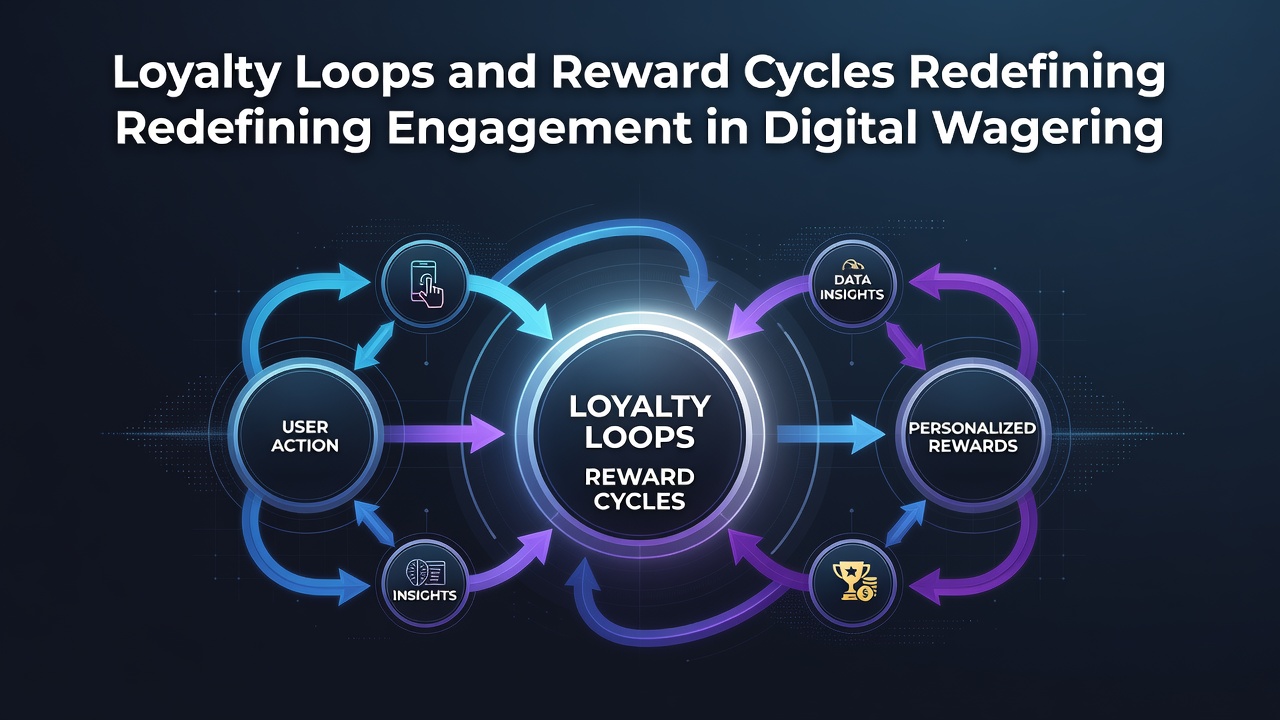
Operators across digital wagering platforms have integrated loyalty loops and reward cycles that structure player interactions through points systems, tiered benefits, and redemption mechanics. These frameworks track activity across slots, sports betting, and poker rooms while distributing rewards at predetermined intervals. Data collected by platform analytics teams shows that structured cycles encourage repeated sessions because users receive incremental feedback after each qualifying action.
Mechanics Behind Loyalty Loops
Points accumulate based on wager volume or specific game participation, then convert into credits, free spins, or cashback at set thresholds. Many systems reset or advance users through tiers monthly, which creates recurring milestones. Operators adjust multipliers during promotional windows, and this adjustment influences how quickly participants reach higher benefit levels. Research from the University of Sydney indicates that visible progress bars and countdown timers strengthen the loop by providing constant visual reinforcement of upcoming rewards.
Redemption options often include tournament entries, merchandise, or exclusive event access. These choices extend the cycle beyond monetary returns because participants weigh different benefit types against their activity patterns. Systems log every transaction, which allows operators to refine point-earning rates without altering core game rules.
Reward Cycles Across Game Types
Slots platforms frequently tie free spin allocations to daily login streaks or consecutive deposit patterns. Sportsbooks apply similar structures through accumulator challenges that unlock enhanced odds once users complete a series of selections. Poker rooms emphasize rakeback percentages that scale with monthly volume, creating a steady return flow that rewards consistent table time. Each vertical adapts the same underlying loop while matching reward timing to typical session lengths observed in that category.
Hybrid sites combine elements from multiple categories into unified accounts. A user who places sports bets and spins slots can merge points into one balance, which accelerates tier advancement. This consolidation reduces friction between product types and keeps activity concentrated within a single ecosystem rather than scattered across separate applications.
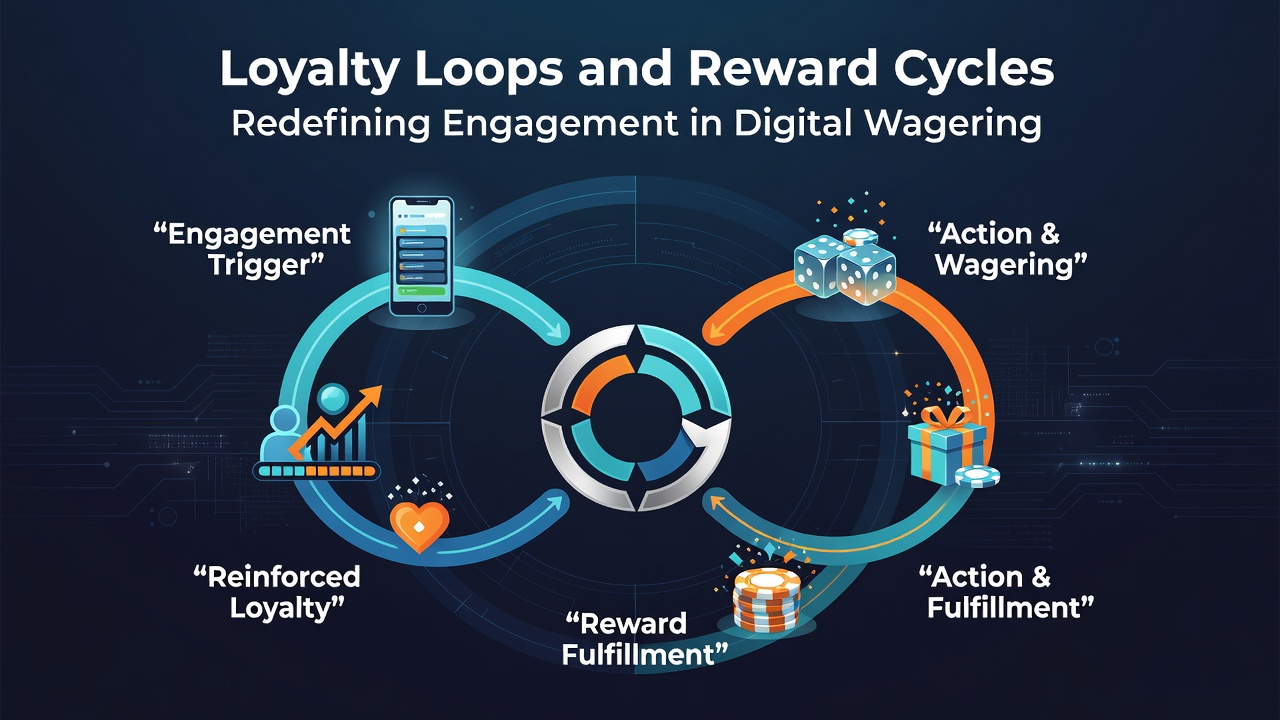
Technological Integration and July 2026 Updates
Platform updates scheduled for July 2026 introduce real-time notification systems that alert users when they near the next reward threshold. These alerts appear through in-app messages and push notifications calibrated to individual session histories. Integration with digital wallets allows instant conversion of points into playable balances, shortening the gap between earning and redemption. Observers note that shorter conversion windows correlate with higher return rates because users experience the loop completion more frequently.
Artificial intelligence models now predict optimal reward timing for different user segments. These models analyze historical data to determine when a bonus offer will produce the strongest re-engagement effect. Operators test these predictions through controlled rollouts before wider deployment, which refines accuracy over successive cycles.
Regulatory Context from Multiple Regions
Authorities in various jurisdictions require clear disclosure of how points convert and what restrictions apply to redeemed rewards. The New Jersey Division of Gaming Enforcement mandates that operators publish tier qualification criteria and expiration rules in accessible formats. Similar transparency standards appear in other markets, including requirements for audit trails that verify fair distribution of benefits. These rules aim to maintain consistent player understanding across different loyalty structures.
Industry reports compiled by the European Gaming and Betting Association track adoption rates of tiered systems across member operators. Figures reveal steady growth in the number of programs that incorporate cross-product point pooling. This growth coincides with increased use of mobile interfaces that surface loyalty status on every screen, keeping the cycle visible throughout the user journey.
Measurement of Engagement Effects
Session frequency and duration serve as primary indicators when operators evaluate loyalty program performance. Platforms compare activity levels before and after tier advancements or special redemption events. Aggregated statistics demonstrate that users who reach mid-tier status often exhibit longer average session times than those at entry level. These patterns hold across different product categories while varying in magnitude depending on reward type and timing.
Retention metrics also reflect cycle completion rates. When participants redeem rewards within the same week they earn them, subsequent login intervals shorten. Conversely, delays in redemption processing extend the time between active periods. Operators monitor these intervals through cohort analysis that segments users by reward velocity.
Conclusion
Loyalty loops and reward cycles continue to shape participation patterns in digital wagering by linking activity directly to measurable returns. Systems that deliver timely feedback and clear progression maintain higher engagement levels across slots, sports, and poker environments. Regulatory frameworks from multiple regions enforce transparency around these mechanisms, while technological refinements scheduled through 2026 focus on faster redemption and personalized timing. Data from diverse sources confirms that structured cycles influence session behavior in measurable ways, and operators adjust parameters accordingly to align with observed user responses.