Mapping Loyalty Systems: How Points Move Between Poker Networks and Sportsbook Portals in the UK
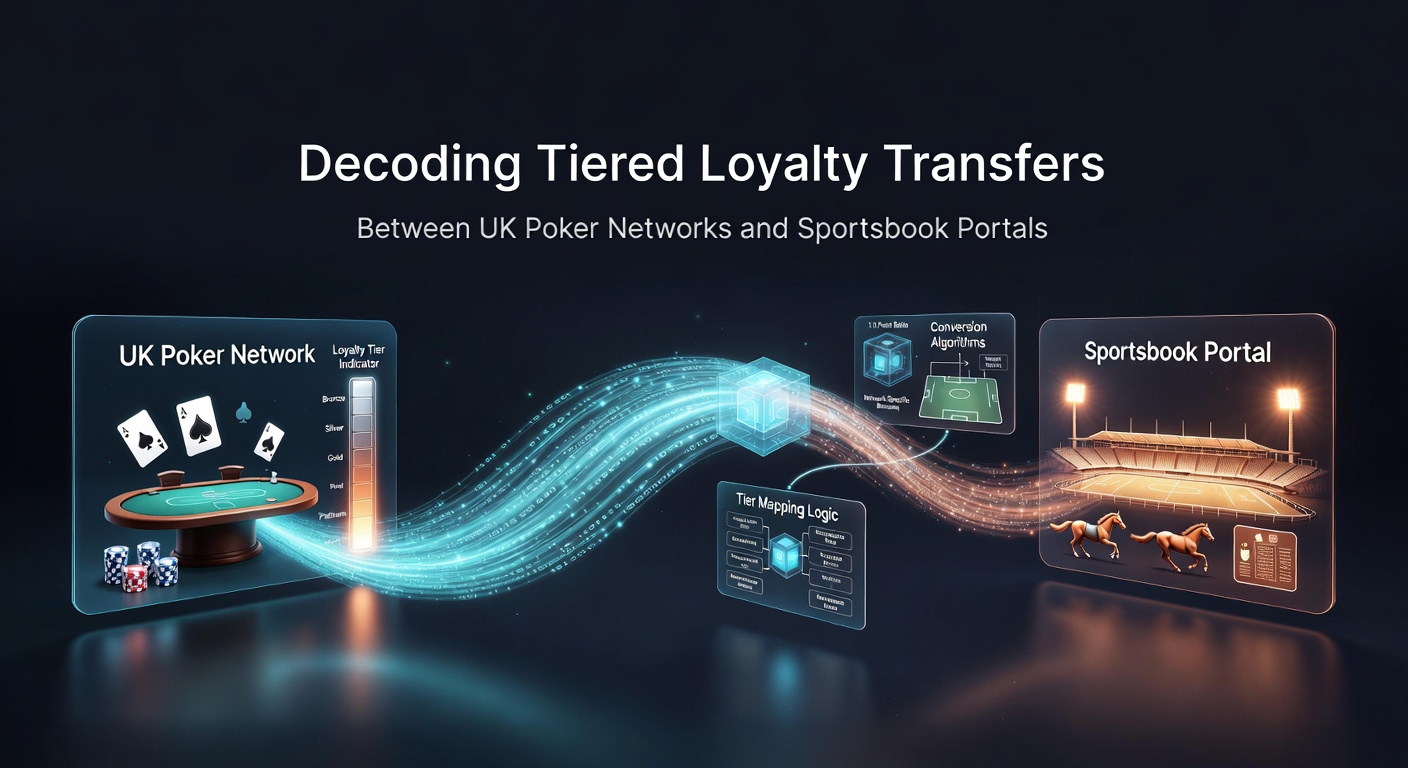
Operators across the UK have developed tiered loyalty frameworks that allow points earned on poker tables to convert into credits usable on sportsbook platforms, and the reverse holds true in many shared ecosystems. These systems rely on centralized player accounts managed by larger groups that operate both verticals under one brand umbrella. Data from industry tracking services shows steady growth in such integrations since 2024, with transfer volumes rising notably by May 2026 as operators refine their backend APIs to handle cross-product redemptions.
Core Mechanics of Tiered Transfers
Points typically accumulate at different rates depending on the product and stake level, while higher tiers unlock accelerated conversion ratios and bonus multipliers. A player reaching silver status on a poker network might see each 100 points translate into £1 of sportsbook free bet value, whereas gold tier users often receive 120 points for the same return. These ratios get adjusted periodically based on operator revenue models and player segmentation data, according to reports from the European Gaming and Betting Association.
Transfers happen through dedicated portals where users select the source and destination accounts, then confirm the exchange after reviewing any applicable fees or expiry rules. Most networks impose daily or monthly caps on transferred amounts to prevent abuse, and points usually carry over with their original expiry dates intact rather than resetting upon conversion. Observers note that this approach maintains consistency for users who split their activity between cash games and in-play football markets.
Network Structures and Operator Examples
Several UK-facing groups run interconnected platforms where loyalty points flow freely between poker rooms and betting exchanges. One common model involves a single wallet that feeds both products, while others maintain separate ledgers but allow scheduled batch transfers processed overnight. Research from the University of Nevada's gaming studies department indicates that such dual-vertical setups increase average player lifetime value by encouraging activity across multiple categories rather than isolating users in one silo.
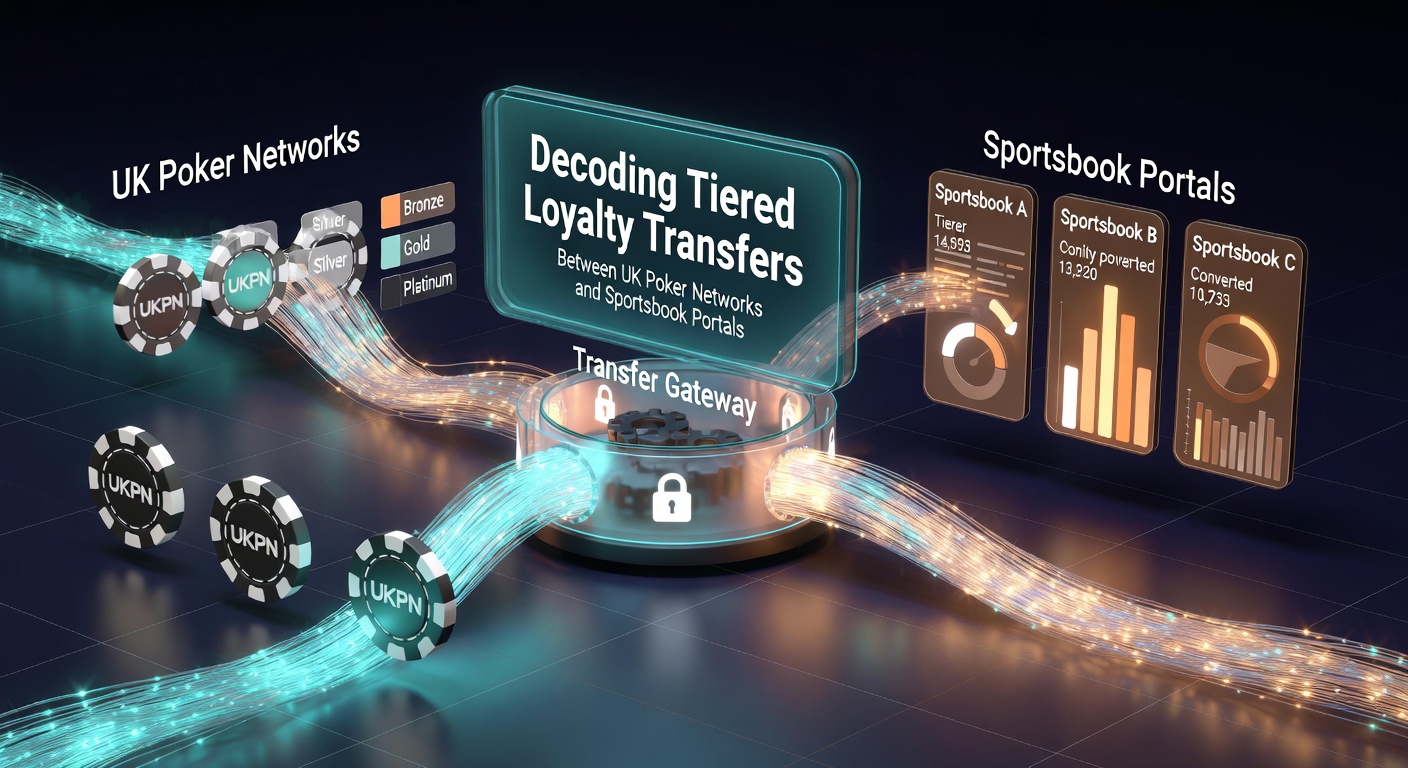
White-label solutions have gained traction by May 2026, letting smaller sites plug into established loyalty engines without building custom infrastructure. These providers handle the tier calculations and transfer logic centrally, which reduces development costs for operators while ensuring compliance with data protection standards. Players benefit from unified progress tracking, so time spent grinding poker tournaments directly influences the perks available when switching to tennis or horse racing bets.
Player Journey and Practical Considerations
Someone who starts with low-stakes sit-and-gos can climb tiers through consistent volume, then apply accumulated points toward enhanced odds on accumulator bets. The process requires no manual intervention beyond the initial request, though users must verify their accounts remain in good standing with no pending verification flags. Figures from Australian wagering research groups reveal that cross-product loyalty features correlate with longer session durations, as participants explore new markets they might otherwise overlook.
Expiry policies vary, yet many programs align poker and sportsbook points to a shared calendar so transfers do not accelerate loss of value. Mobile apps now display real-time conversion previews, allowing players to compare outcomes before committing. This transparency helps reduce support queries while giving users clearer control over their rewards.
Conclusion
Tiered loyalty transfers continue to evolve as operators refine integration tools and respond to shifting player preferences across poker and sports betting verticals. The systems balance flexibility with safeguards that protect both revenue streams and regulatory requirements, creating pathways for sustained engagement without forcing activity into isolated products. As backend technology advances further into 2026, these frameworks stand to become even more seamless for participants navigating multiple gambling formats under one ecosystem.