Player Data Sheds Light on Multi-Game Lobby Preferences Within Regulated Environments
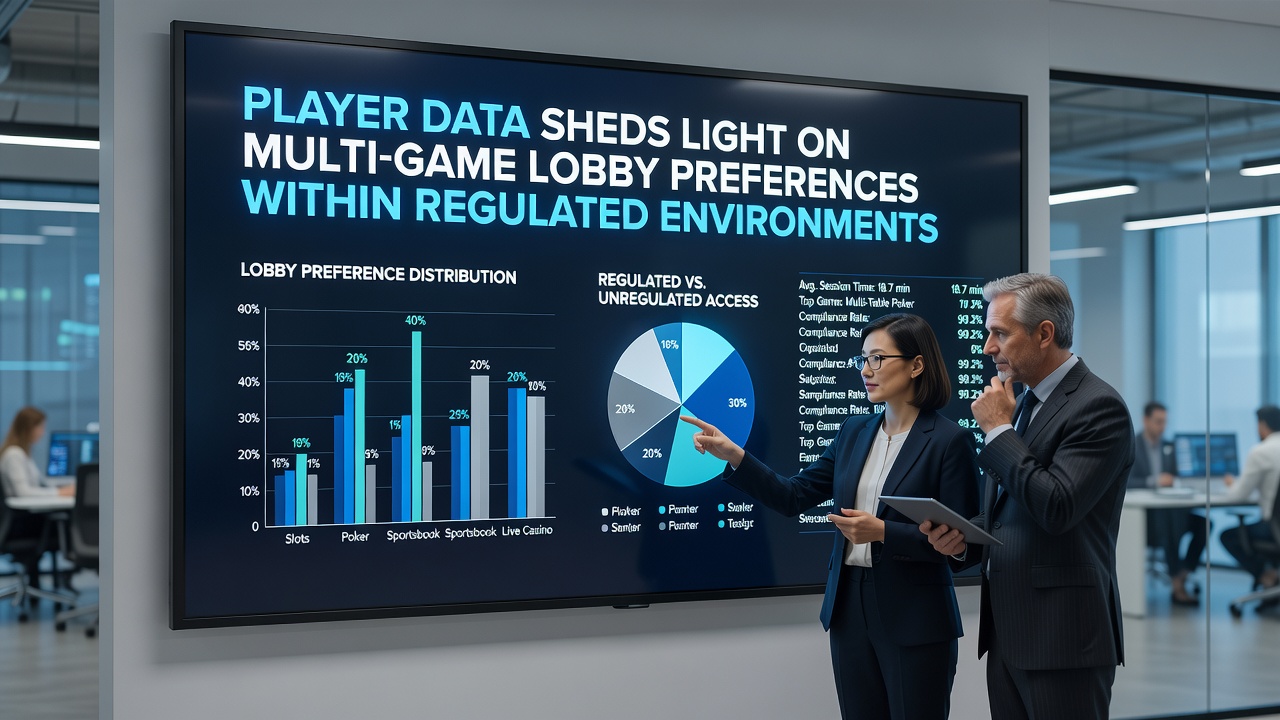
Recent analysis of player behavior across several regulated markets shows clear patterns in how users interact with multi-game lobbies that combine slots, table games, poker, and other offerings in one unified space, and these insights come from aggregated data sets that track session lengths, game switching frequency, and retention metrics over extended periods.
Operators in jurisdictions such as those overseen by the Malta Gaming Authority and the Alcohol and Gaming Commission of Ontario have reported that players gravitate toward platforms where lobby designs reduce friction during transitions between game types, which leads to longer overall engagement times compared to segmented interfaces that require separate logins or menu reloads.
Data Patterns in Player Navigation
Figures compiled by industry monitoring groups reveal that approximately 68 percent of active accounts in multi-game environments demonstrate at least three distinct game category switches within a single session, and this behavior correlates with higher deposit frequencies when the lobby layout supports instant access without additional verification steps.
One study conducted through collaboration with academic researchers at the University of Nevada, Reno tracked over 2 million anonymized sessions and found that integrated lobbies featuring dynamic recommendations based on prior play history increased average session duration by 22 minutes, while those with static category divisions showed more frequent exits after the first game type.
Regulatory Influences on Lobby Design
Regulations in multiple regions require transparent display of game rules and responsible gaming tools directly within the lobby interface, which has prompted developers to embed these elements seamlessly rather than through pop-up interruptions that can disrupt player flow. Data from the American Gaming Association indicates that platforms adhering to such integrated compliance features maintain higher compliance scores during audits while also sustaining elevated player return rates.
Observers note that the upcoming implementation of revised content rating systems scheduled for June 2026 will further shape how mechanics involving randomized rewards appear in lobbies, pushing operators to adjust visibility and categorization to align with new classification standards across European markets.

Cross-Regional Comparisons
Comparisons between North American and Australian regulated environments highlight differences in preference strength, where Canadian provincial data shows stronger retention in lobbies that blend skill-based and chance-based games, whereas reports from the Australian Communications and Media Authority emphasize preference for clear separation of jackpot progressives within the same view. These variations underscore how local rules influence the optimal arrangement of game tiles and filtering options.
Platform analytics further demonstrate that loyalty program integration within the central lobby boosts cross-game exploration, with players enrolled in unified reward schemes visiting an average of 4.7 distinct game categories monthly versus 2.1 for those limited to isolated promotions.
Technical and Security Considerations
Secure data transmission protocols mandated by regulators ensure that real-time preference tracking occurs without compromising user anonymity, and encryption standards applied during lobby interactions prevent unauthorized access to behavioral profiles. Case examples from licensed operators show that implementing end-to-end encryption alongside preference-based sorting algorithms has reduced complaint volumes related to unexpected game recommendations.
Those who have examined longitudinal data sets point out that peak activity hours often coincide with simultaneous availability of live dealer options alongside automated table games, creating natural hubs where players cluster before branching into other categories.
Conclusion
Collectively the evidence from player data across regulated settings points to sustained demand for flexible, interconnected lobbies that accommodate varied gaming styles while meeting compliance obligations, and continued monitoring through 2026 and beyond will clarify how evolving standards affect these established preferences.