Poker Mobile App Interfaces and Shifting Patterns in Bonus Claims
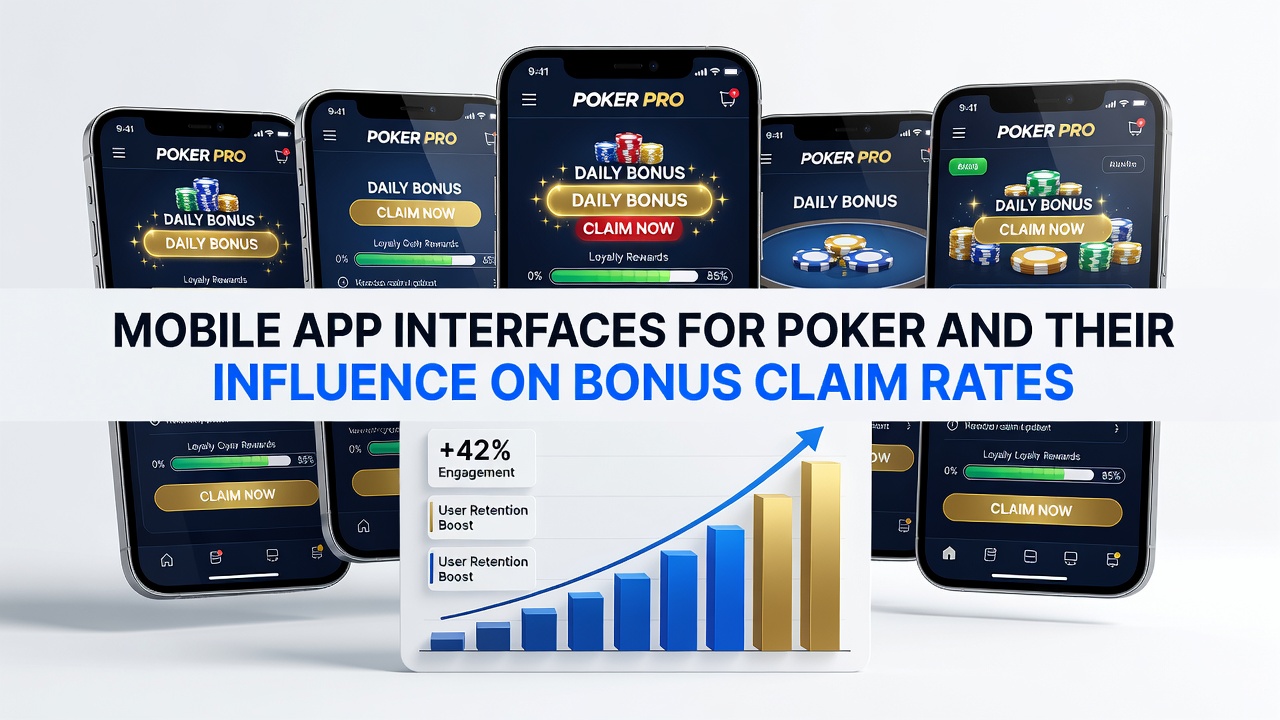
Design choices in poker applications on smartphones have drawn attention from industry analysts who track how users interact with promotional offers. Interface layouts, notification systems, and navigation flows connect directly to measurable differences in how often players complete bonus claims, according to data compiled across multiple platforms in recent years. Observers note that small adjustments in button placement or visual cues can alter completion rates without requiring changes to the underlying promotions themselves.
Core Interface Components That Drive User Actions
Researchers have examined elements such as one-tap claim features, progress indicators for wagering requirements, and personalized dashboard sections that highlight available bonuses. These components appear in applications developed for both iOS and Android environments, where developers test variations through controlled updates. Data from app analytics firms shows that applications incorporating persistent banners for active bonuses recorded higher interaction volumes compared with those that buried offers in secondary menus.
Color contrast, icon clarity, and loading speed also factor into user decisions during the claim process. Studies conducted by academic groups in North America have linked faster load times for bonus screens with increased completion figures, while slower transitions correlated with drop-offs at intermediate steps. Developers adjust these parameters regularly, often releasing refinements that coincide with seasonal tournaments or platform-wide events.
Regional Trends and Platform Comparisons
Markets in Europe, North America, and Asia Pacific display distinct patterns tied to local regulatory frameworks and device preferences. Applications serving Australian users, for instance, frequently integrate quick-access tabs that align with local banking integrations, while North American platforms emphasize tutorial overlays that guide new accounts through initial claims. Figures released by the Canadian Gaming Association indicate that streamlined interfaces in poker apps contributed to noticeable upticks in promotional redemptions during the first half of 2026.
Cross-platform comparisons reveal that hybrid designs supporting both portrait and landscape orientations maintain steadier engagement across sessions. Users switching between devices mid-session encounter fewer interruptions when apps preserve claim states, which reduces abandonment at the final confirmation stage. Industry reports from the Interactive Gaming Council highlight these consistency factors as contributors to sustained activity levels.
Notification Strategies and Timing Effects
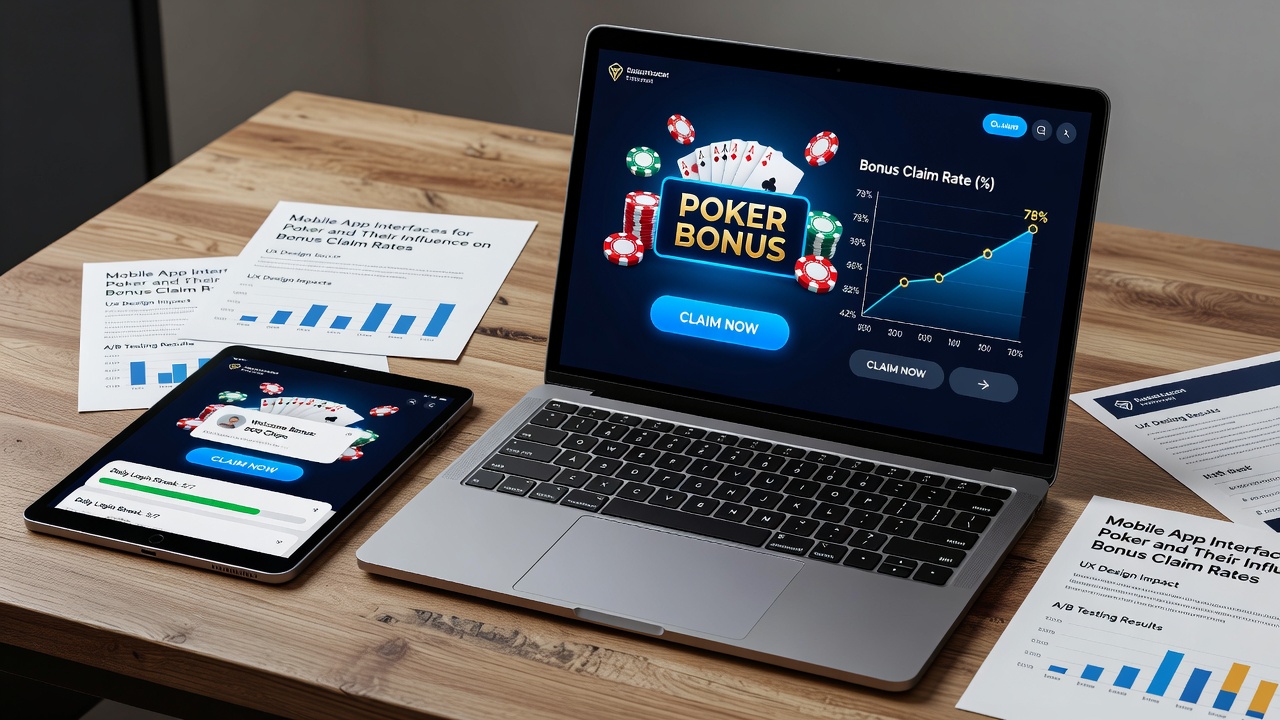
Push notifications and in-app alerts represent another area where design decisions influence outcomes. Timed reminders that appear during active play sessions rather than at login have shown stronger response rates in multiple A/B tests conducted by development teams. The placement of these alerts, combined with clear visual differentiation from standard game notifications, helps users distinguish promotional opportunities without disrupting core gameplay.
Applications that allow users to customize notification preferences report lower opt-out rates for bonus-related messages. This customization layer connects to higher overall claim volumes because participants receive relevant prompts aligned wth their activity schedules. Data gathered through platform monitoring tools demonstrates that personalization reduces message fatigue while preserving visibility for time-sensitive offers.
Accessibility Features and Broader Reach
Developers have incorporated accessibility options such as adjustable text sizes, high-contrast modes, and voice-guided navigation into recent updates. These additions expand usability for a wider audience and correlate with improved claim rates among users who previously encountered barriers. Research from institutions studying digital interaction patterns notes that inclusive design elements often produce secondary benefits in engagement metrics across diverse demographic groups.
July 2026 brought several incremental updates focused on these accessibility layers, with several major applications deploying revised claim flows that accommodate varying screen reader compatibility. Observers tracking adoption rates recorded corresponding shifts in completion statistics following these deployments.
Conclusion
Interface design in poker applications continues to evolve alongside shifts in user behavior and device capabilities. Elements ranging from navigation structure to notification timing connect measurably with bonus claim activity, as documented across analytics platforms and industry reports. Continued refinement in these areas reflects ongoing efforts by developers to align visual and functional features with observed interaction data from multiple regions.