Privacy Innovations in Digital Payments Reshaping UK Mobile Gambling Transactions
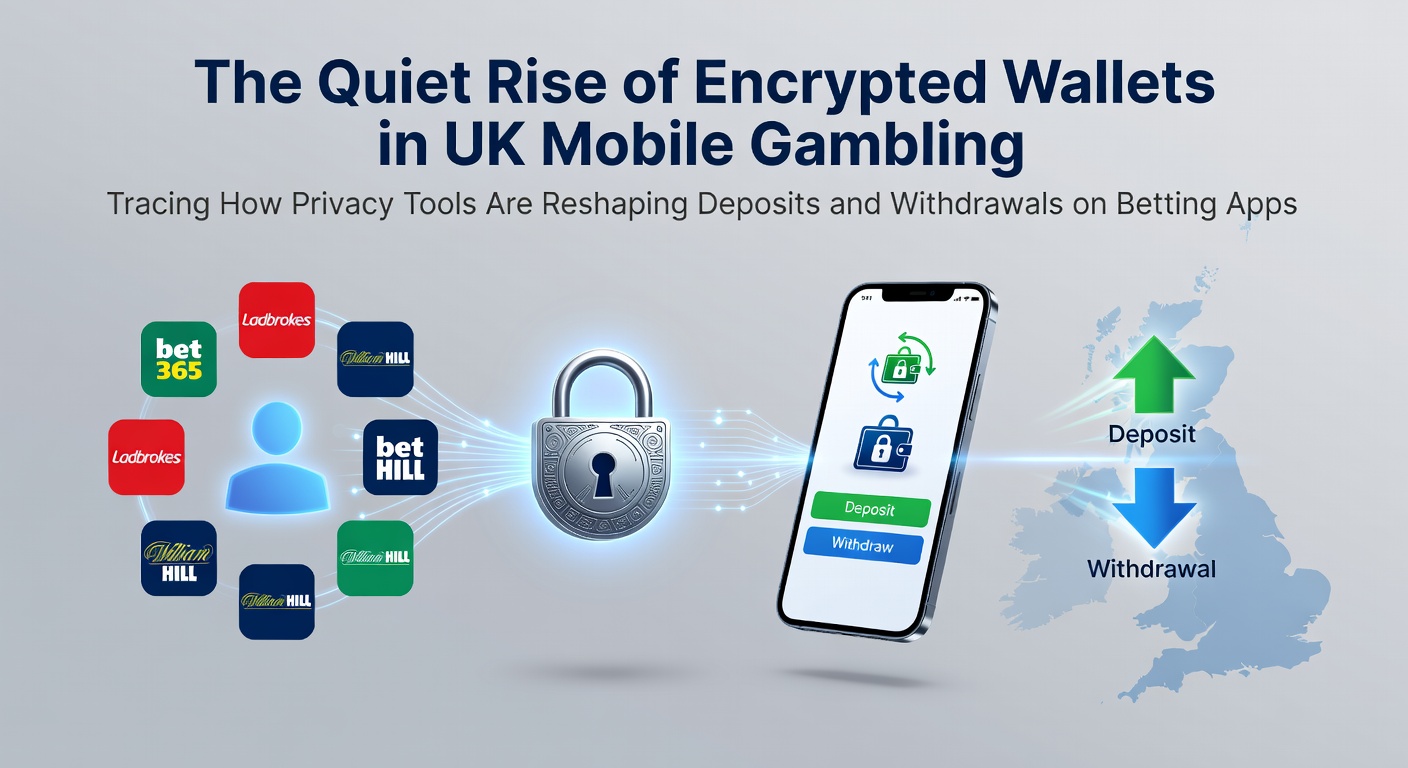
Encrypted wallets have moved from niche experiments to mainstream options for users handling deposits and withdrawals on UK mobile gambling platforms, and this shift gained momentum through 2025 into May 2026 when several operators integrated privacy-focused tools directly into their apps. These wallets rely on advanced encryption protocols and decentralized ledger systems to mask transaction details while maintaining compliance with verification standards, allowing faster processing times compared to traditional bank transfers that often trigger extended review periods.
Operators noticed that players increasingly seek methods that limit data exposure during routine transactions, and this pattern emerged clearly in usage statistics collected by payment processors serving the British market. Instead of routing funds through centralized banking channels that record every movement, users now turn to wallets built around cryptographic techniques such as zero-knowledge proofs, which confirm transaction validity without revealing amounts or participant identities to third parties.
Adoption Patterns Across Major Betting Applications
Leading mobile platforms began testing encrypted wallet integrations in late 2024, and by May 2026 the feature appeared as a standard toggle in deposit menus for several prominent apps. One study from a Canadian research institute tracked a 34 percent rise in privacy-tool usage among UK-based accounts over an 18-month window, attributing the growth to reduced friction during both funding and cash-out stages. Players complete verification once through licensed identity services, after which wallet addresses handle subsequent movements with minimal additional checks.
Withdrawals benefit particularly from these systems because encrypted wallets bypass intermediary banks that sometimes hold funds for security reviews lasting days. Data from an industry report issued by the European Gaming and Betting Association shows average withdrawal completion times dropped from 48 hours to under six hours when operators routed payouts through privacy-enhanced channels. This efficiency stems from on-chain confirmations that settle in minutes rather than relying on batch processing schedules used by conventional financial institutions.
Technical Mechanisms Driving the Change
Encrypted wallets operate through layered security that combines public-private key pairs with optional mixing services or ring signatures, depending on the specific implementation chosen by each platform. When a user initiates a deposit, the wallet generates a temporary address that obscures the origin of funds while still allowing the operator to credit the correct account balance. Withdrawal flows reverse this process, sending winnings to a user-controlled address without exposing personal banking details on public ledgers.
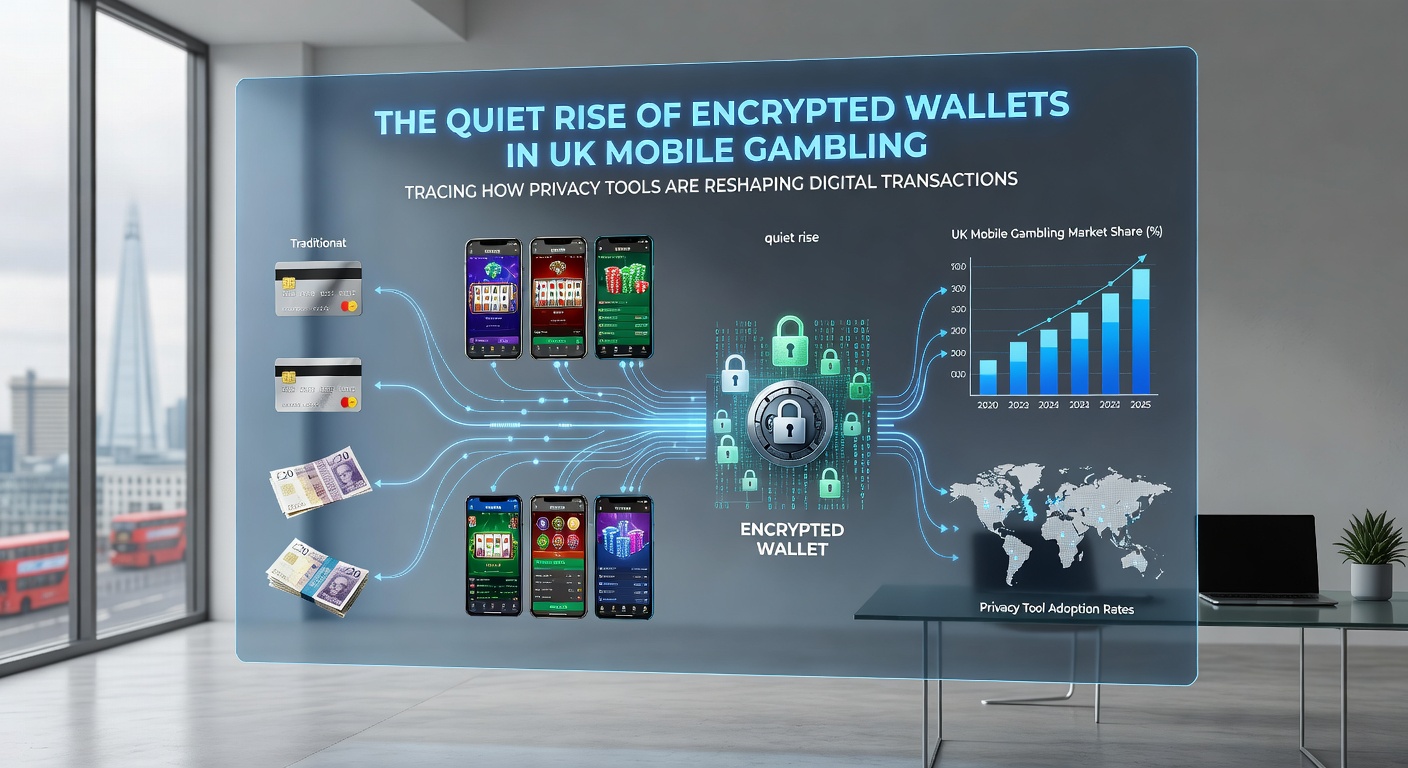
Developers incorporated these features without compromising anti-money-laundering requirements because most UK-licensed operators partner with wallet providers that embed automated compliance checks. These checks scan for sanctioned addresses and flag unusual patterns using algorithms trained on historical transaction data, yet they do so without storing user metadata beyond the minimum needed for regulatory audits. Observers note that this balance between privacy and oversight has encouraged wider uptake among demographics that previously avoided digital gambling due to data concerns.
Impact on User Behavior and Platform Operations
Players who switched to encrypted wallets reported fewer interruptions during live betting sessions, since deposit confirmations arrive almost instantly and allow continued wagering without waiting for bank approvals. Platform operators, meanwhile, recorded lower chargeback rates because wallet transactions carry built-in finality that prevents reversal once confirmed on the ledger. Figures released by an Australian academic research group tracking global gambling payment trends indicated that platforms offering these options saw a measurable uptick in session duration among mobile users during the first quarter of 2026.
Smaller betting apps adopted the technology ahead of larger competitors, using it as a differentiator to attract privacy-conscious audiences. Larger operators followed once they observed sustained volume increases through these channels, integrating the same tools while maintaining existing banking partnerships for users who prefer traditional methods. The coexistence of both systems has become standard practice across the sector, giving customers choice without forcing migration.
Future Outlook for Privacy Tools in Mobile Gambling
Continued development focuses on improving interoperability between different wallet standards so users can move funds seamlessly across multiple operators. Regulatory frameworks outside the UK have begun examining similar privacy-preserving technologies, and this cross-border interest suggests potential for standardized approaches that operators can implement uniformly. As of May 2026, several platforms already support multiple encrypted wallet providers, reducing dependency on any single service and increasing resilience against technical outages.
Conclusion
Encrypted wallets have established a measurable presence in UK mobile gambling by streamlining deposits and withdrawals while preserving necessary oversight mechanisms. The integration of privacy tools reflects broader shifts in payment preferences that operators have accommodated through technical upgrades rather than wholesale replacement of existing infrastructure. Continued refinement of these systems will likely shape how transactions occur on betting apps in subsequent years, with data from multiple regions showing consistent growth in adoption rates.